Image



Geosynthetic engineering is the use of synthetic materials in civil engineering projects to achieve more cost effective, environmentally sound and safer construction outcomes.
By maximising the use of on-site soils and reducing the need for imported construction materials, geosynthetics deliver safer, more sustainable and cost-effective outcomes throughout the mine life cycle.

The fundamental benefits of using geosynthetics on mining sites are to:
Our geosynthetic solutions are focused on minimising maintenance costs and reducing construction timeframes, helping to reduce operational shutdowns associated with infrastructure works.
Unsealed Mine Access & Haul Roads
The cost of constructing mine site roads is often small compared with the ongoing cost of maintaining them. Geofabrics geosynthetic solutions help optimise the use of available site materials, improve road performance and reduce construction costs and maintenance disruptions.
From temporary access tracks to high-volume haul roads, Geofabrics provides solutions for a wide range of mining applications, including:
In the age of automated mining operations, improved road surfaces can also support higher production volumes, greater operational efficiency and stronger returns on investment.
Geofabrics provide a range of geosynthetic solutions for all parts of the road formation which can reduce construction costs by up to 50% whilst improving design life by up to six times.
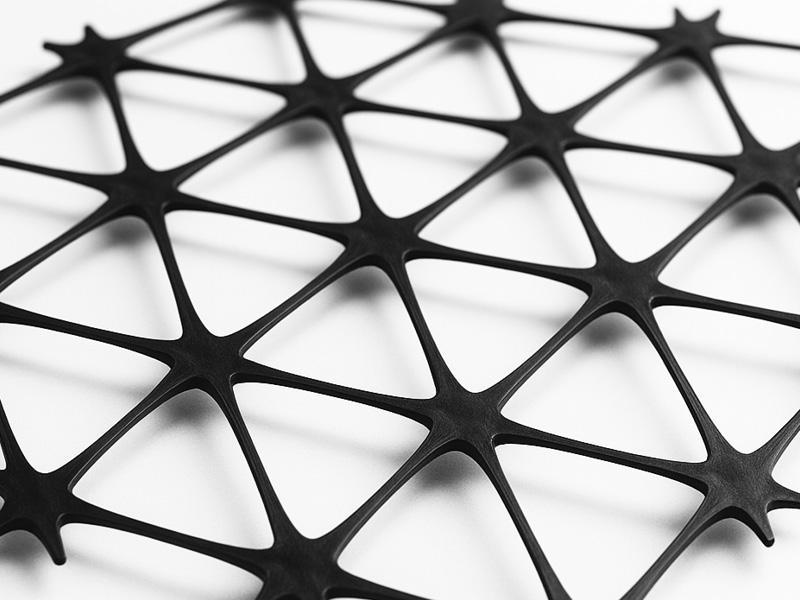
Depending on site conditions and project requirements, an unsealed mine access road may require geotextiles for soil separation and geogrid reinforcement to improve road strength, performance and service life. Geofabrics offers a range of geosynthetic solutions, including geogrids, Geoweb geocells and high-strength reinforcement geogrids, for the construction and stabilisation of mine access roads and haul roads.
Mining sites often present challenging ground conditions, complex soils and harsh operating environments. Geofabrics can also provide engineered solutions and technical advice for associated embankments, drainage systems and road infrastructure, helping to deliver more durable and reliable mine site roads.
Containment Lining Solutions
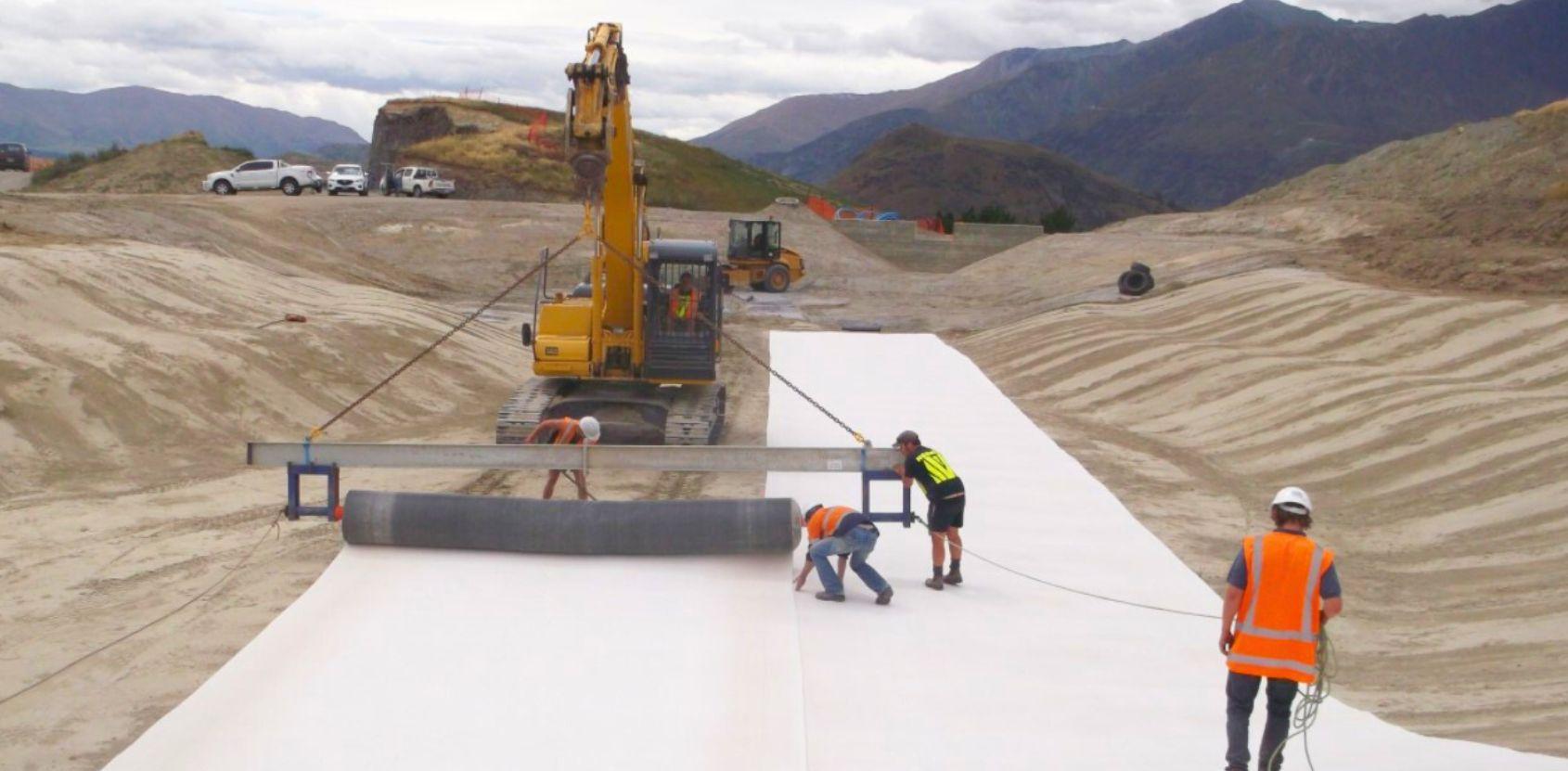
Many mines or resource projects make use of geosynthetic lining systems to contain their waste, whether it be tailings, liquids or processed waste. Geofabrics has worked hard over the past decade to understand the nuance for every type of waste involved in the resources sector, and how it influences the selection of materials for the geosynthetic lining systems.
With our own R&D facility in Australia, Geofabrics has worked on many resources projects to assist designers, contractors and mine owners to select the most appropriate materials for their site. This can include interface shear or cushion testing to understand how the system components interact, UV resistance for materials left exposed over many years, as well as chemical compatibility of each product with the waste stream.
Working with Geofabrics early in the project life has helped many engineers deliver a superior performance outcome with significant reductions in risk and cost compared to the traditional or standard lining systems.
Leak Detection
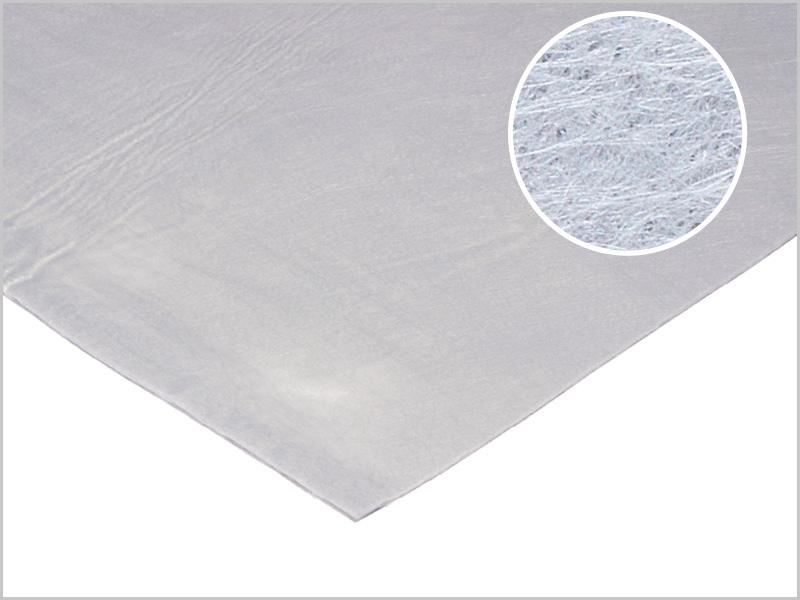
When using geomembranes, there are times when leak detection is a required activity after installation to prove the quality of installation. Geofabrics has developed Bidim C, a non-woven geotextile incorporating carbon-derived conductive technology to support leak detection in lining systems. It provides designers and installers with an effective, cost-efficient solution for conducting liner integrity surveys in newly constructed containment cells.
Waste Rock & Soil Capping
Geosynthetic systems can be used extensively to cap tailings dams or waste rock detentions. For example, capping can be achieved using low permeability Elcoseal GCL and geomembrane barriers to meet the governing regulatory guidelines, whilst additional drainage systems, such as Megaflo Green or drainage geocomposite systems, can be used as leak collection systems as well as reduce hydrostatic head pressures acting on the liner. Geofabrics has worked with many mine sites to ensure the most appropriate lining system is developed and understood, whether it be from a chemical compatibility perspective or understanding the interaction between the various layers within the lining system.
Capping systems over mine tailings may require a reinforcement solution, such as a high-strength woven geotextile or geogrid. System design should consider a range of site-specific factors, including the nature of the tailings, water levels, seismic loading and construction methods.
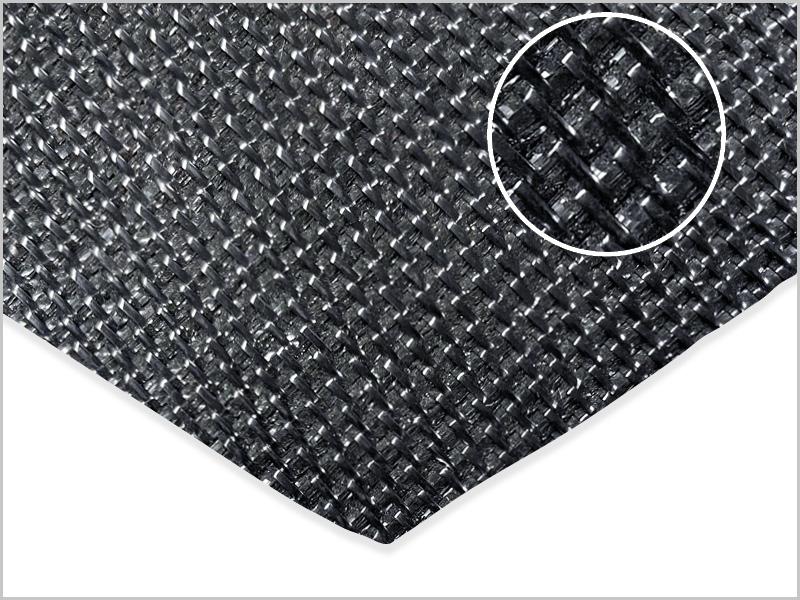
Soft-site impoundments can present significant challenges due to their low bearing capacity, large surface areas and varying water levels. Despite these complexities, closure capping systems can be constructed using medium- to high-strength Mirafi woven geotextiles, which provide separation, filtration and reinforcement within a single geosynthetic solution.
Mirafi woven geotextiles can be factory- or field-fabricated into large panels with high seam efficiencies, helping to simplify installation, reduce material wastage and improve construction efficiency.
Dewatering of Sediment Dams & Leachate Ponds
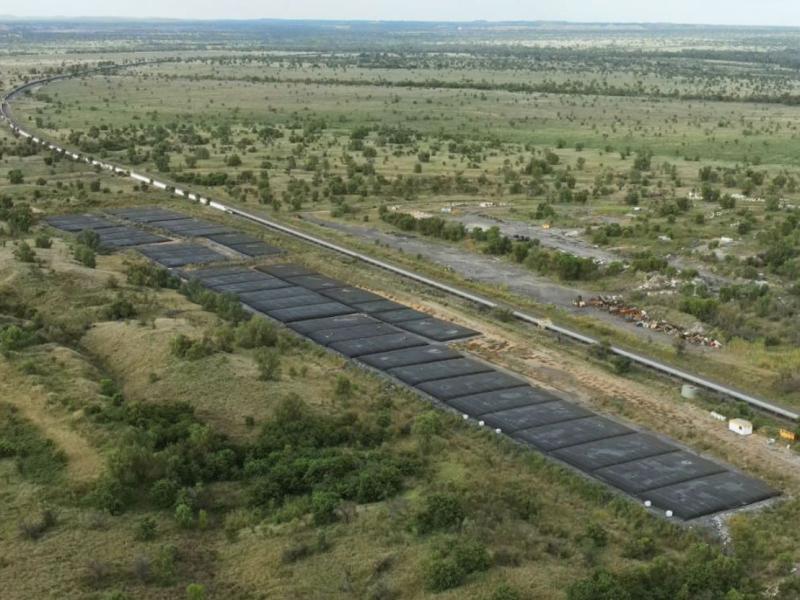
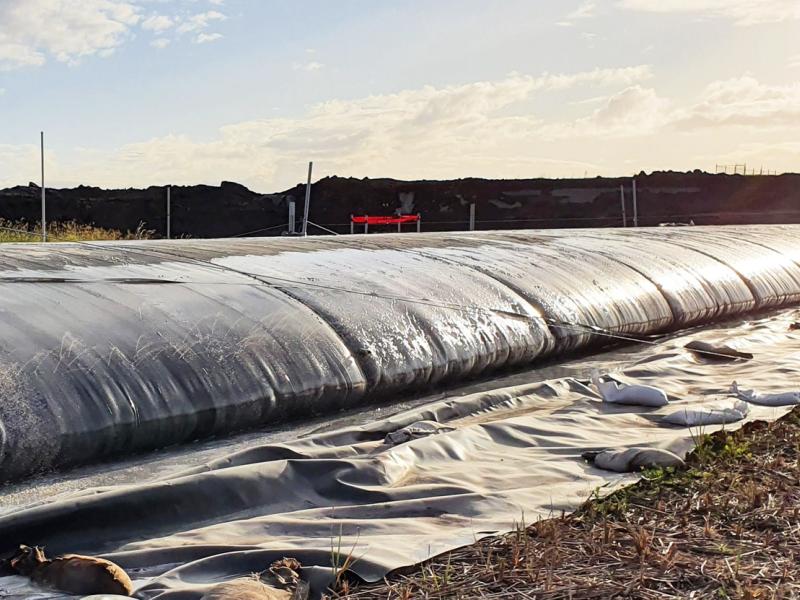
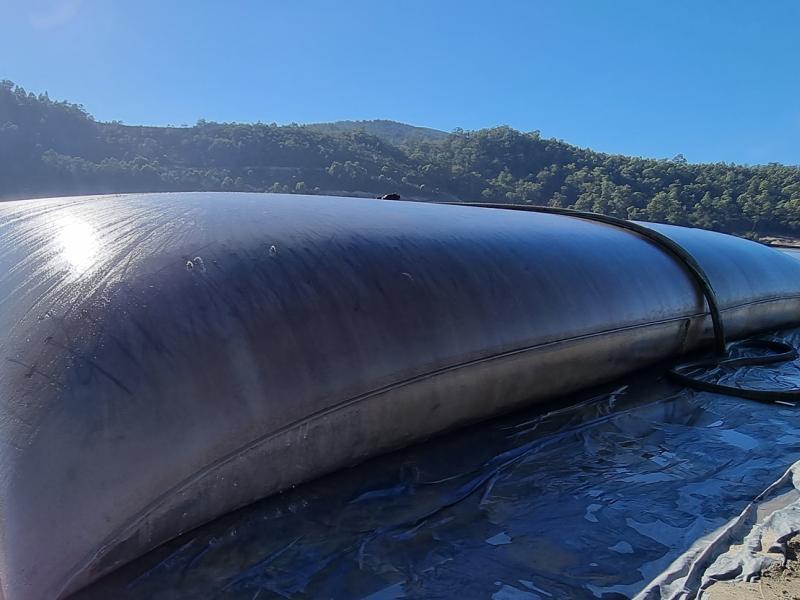
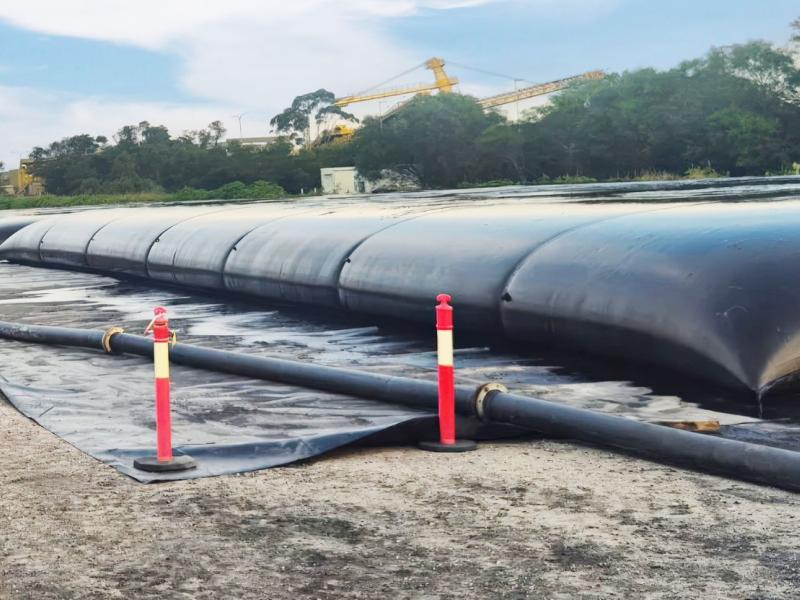
A cost-effective solution for the dewatering of sludge or removing fine sediments from site run-off is to make use of geosynthetic dewatering systems. Geotube dewatering technology uses high strength geotextiles with unique filtration and retention properties to provide solutions to mining and mineral processing.
Dewatering of waste water and sludge is commonly achieved by pumping the slurry into permeable geotextile tubes, treating with site specific flocculants and allowing the moisture to either evaporate through the geotextile or drain through the geotextile pores under significant pressure. The run-off from the dewatering process can be reused or treated and returned to native waterways while the sediment or waste can be re-processed or detained.
Our solutions can help deliver:
To support the design of retaining walls, slopes and embankments, Geofabrics provides access to experienced technical specialists who use advanced design software to develop fast, accurate and project-specific solutions.
Our engineering team can provide technical advice, in-house or seminar-based training, and certified designs where required.
Over time, rail infrastructure can experience significant problems such as differential settlement and unacceptable track deflection for rail operators. These issues result in speed restrictions on sections of track and frequent, disruptive maintenance that affects mine efficiency and performance.
Track formations which incorporate geosynthetic solutions like Geoweb and triaxial geogrid for capping layer reinforcement and track ballast stabilisation have been proven to deliver a cost saving of up to 70% when compared to conventional construction and maintenance methods, potentially saving asset owners up to A$4.3 million for every 200 metres section of track.
Mud pumping also presents a significant problem for rail operators, often resulting in speed restrictions as well as frequent and costly railway line maintenance.
These issues can be reduced or avoided through the use of our Tracktex Green anti-pumping geocomposite which is installed below the ballast to prevent water from penetrating the subgrade, dissipate pore-water pressure, and stop soil particles from contaminating the ballast. This system is proven to prevent and correct mud pumping failure compared to other alternatives such as sand layers.
Underground mining presents unique engineering challenges, where safety, productivity and reliable infrastructure are critical to maintaining efficient operations.
From underground road stabilisation and portal protection to water management and environmental containment, Geofabrics provides geosynthetic solutions that help improve operational performance and reduce maintenance requirements.

Underground haul roads and access routes are essential to the safe and efficient movement of people, equipment and materials. Challenging ground conditions, water ingress and heavy vehicle loads can accelerate pavement deterioration and increase maintenance
requirements. Geofabrics’ geosynthetic solutions, including geogrids and geocells, improve ground stabilisation and load distribution to:
At every mine portal entrance, there is a need to minimise or eliminate falling debris from the rock face above the portal.
For many years, Geofabrics has worked with mine operators or drilling contractors to create a safe working environment through the use of rockfall netting and other rockfall control systems.
Effective water management is essential for maintaining operational efficiency and meeting environmental obligations.
Geofabrics offers a range of proven solutions for underground mining applications, including:
These geosynthetic solutions help improve water management, simplify installation and support long-term environmental performance across underground mining operations.